- 1. The Beverage Industry Is Experiencing Rapid Product Portfolio Diversification
- 1.1 The Emergence of New Consumer Segments and Beverage Categories
- 1.2 The Challenge of Standing Out in Competitive Beverage Markets
- 2. Packaging Is No Longer Just a Functional Requirement
- 2.1 Packaging Is Increasingly Connected to Product Perception
- 2.2 Consumer Expectations Continue to Evolve
- 3. What Is Driving Beverage Brands to Explore New Packaging Formats?
- 3.1 The Need to Differentiate Products Within Expanding Portfolios
- 3.2 Aligning Packaging Formats With Brand Strategy
- 4. Aluminum Beverage Bottles in the Packaging Diversification Trend
- 4.1 How Aluminum Beverage Bottles Can Support Product Development Goals
- 4.2 Beverage Categories That May Consider Aluminum Beverage Bottles
- 5. FAQ
- 6. Conclusion
Aluminum Beverage Bottles and the Growing Trend of Packaging Diversification
The beverage industry continues to evolve as brands introduce new products to meet changing consumer preferences. From functional drinks and energy beverages to ready-to-drink products and nutritional beverages, companies are constantly looking for ways to differentiate themselves in an increasingly competitive market. As consumer expectations continue to rise, product development is no longer focused solely on formulation and flavor.
Today, packaging is becoming a more strategic consideration for beverage brands. Beyond protecting and containing a product, packaging can contribute to product positioning, portfolio development, and the overall consumer experience. This shift helps explain why solutions such as aluminum beverage bottles are increasingly being considered by companies looking to expand or refresh their product offerings.
The Beverage Industry Is Experiencing Rapid Product Portfolio Diversification
The Emergence of New Consumer Segments and Beverage Categories
Over the past several years, the beverage industry has seen significant growth across a wide range of categories. Functional beverages, sports drinks, plant-based drinks, nutritional beverages, and premium ready-to-drink products have created new opportunities for brands to connect with specific consumer groups. As a result, many companies are expanding their portfolios to address increasingly diverse market demands.
However, as product offerings become more varied, differentiation becomes more challenging. Consumers are presented with a growing number of options that often serve similar needs. In this environment, brands are exploring new ways to stand out and strengthen their market presence. Product innovation remains important, but companies are also paying closer attention to how products are presented and experienced by consumers.
The Challenge of Standing Out in Competitive Beverage Markets
Competition within the beverage industry continues to intensify as both established brands and emerging players introduce new products. While this creates opportunities for innovation, it also makes it more difficult for companies to build a distinct identity. Even products with strong formulations and clear benefits may struggle to attract attention if they fail to establish meaningful differentiation.
As a result, many beverage brands are taking a broader view of product development. Rather than focusing exclusively on what is inside the bottle, they are also evaluating how packaging, branding, and product presentation contribute to the overall consumer experience. This shift is encouraging companies to explore packaging formats that align more closely with their long-term business objectives.
Packaging Is No Longer Just a Functional Requirement
Packaging Is Increasingly Connected to Product Perception
Consumers often encounter packaging before they experience the beverage itself. Because of this, packaging can influence initial perceptions and shape expectations about a product. While taste and product quality remain critical factors, packaging has become an important part of how consumers interact with and evaluate a brand.
For beverage companies, this means packaging decisions are no longer viewed solely through an operational lens. Instead, beverage packaging is increasingly assessed for its ability to support product positioning and create consistency across multiple touchpoints. As consumer expectations evolve, brands are investing more time in evaluating packaging formats and packaging materials during the product development process.
Consumer Expectations Continue to Evolve
Today's consumers pay attention to more than just the contents of a beverage. Convenience, usability, portability, and overall product experience are becoming increasingly important factors in purchasing decisions. These changing expectations are influencing how beverage brands approach both product design and packaging selection.
As the market evolves, companies must continually assess how their products align with consumer preferences. While there is no single packaging format that suits every product, businesses are becoming more willing to explore alternative beverage packaging solutions that support their specific product and brand strategies.
What Is Driving Beverage Brands to Explore New Packaging Formats?
The Need to Differentiate Products Within Expanding Portfolios
As beverage portfolios grow, maintaining clear differentiation between products becomes increasingly important. Individual products may target different demographics, consumption occasions, or lifestyle preferences. This creates a need for packaging solutions that align with specific positioning strategies rather than relying on a uniform approach across an entire portfolio.
Packaging can help communicate these distinctions by supporting the intended identity of each product. For this reason, many companies are evaluating a wider range of packaging options as they introduce new products and enter new market segments. The result is a growing trend toward packaging diversification throughout the beverage industry.
Aligning Packaging Formats With Brand Strategy
Not every packaging solution is suitable for every beverage product. Brands typically evaluate packaging based on multiple considerations, including product characteristics, consumer expectations, manufacturing requirements, and long-term business goals. The most effective beverage packaging strategies are often those that support broader strategic objectives.
When selecting packaging formats, beverage companies frequently assess how different options contribute to product differentiation, customer experience, and portfolio expansion. This strategic approach is encouraging brands to consider a wider variety of packaging solutions than ever before.
Aluminum Beverage Bottles in the Packaging Diversification Trend
How Aluminum Beverage Bottles Can Support Product Development Goals
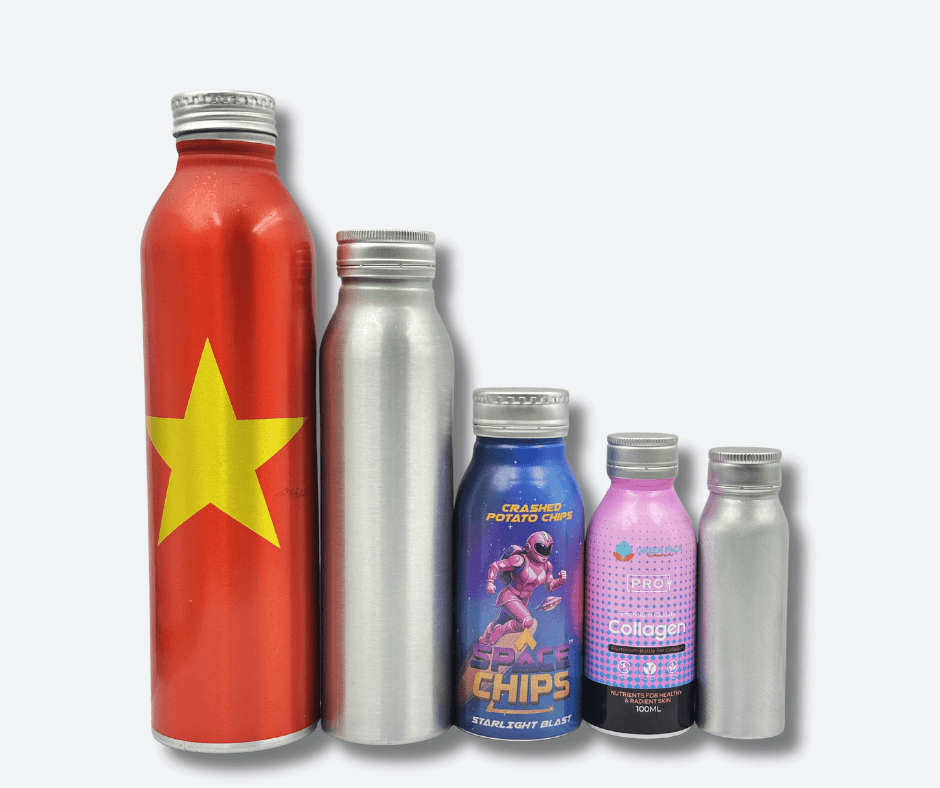
As companies continue exploring new packaging formats, aluminum beverage bottles are increasingly being evaluated as part of broader aluminum packaging initiatives within the beverage industry. Packaging material decisions often extend beyond technical performance and can also be influenced by product positioning, brand objectives, and the type of experience a company wants to create.
Depending on the product category and target audience, aluminum beverage bottles may be considered alongside other packaging formats during the development process. The key objective is not to identify a universally superior solution but to determine which packaging format best aligns with the goals of a specific product and brand.
Beverage Categories That May Consider Aluminum Beverage Bottles
The beverage market continues to expand with the introduction of innovative products targeting a variety of consumer needs and consumption occasions. As brands diversify their portfolios, they often evaluate different packaging formats to identify solutions that align with both product requirements and market positioning.
In this context, aluminum beverage bottles may be considered for certain beverage categories depending on factors such as product characteristics, intended user experience, and brand direction. Like any packaging decision, the final choice should be based on a comprehensive evaluation of business objectives, consumer expectations, and product requirements. As brands continue investing in beverage product development, packaging selection remains an important part of creating products that align with both market expectations and long-term business objectives.
FAQ
Are aluminum beverage bottles suitable for every beverage product?
No. Packaging selection should always be based on product characteristics, technical requirements, compatibility considerations, and the specific goals of the brand.
Why are beverage brands exploring more packaging formats today?
As beverage portfolios become more diverse and consumer expectations continue to evolve, brands are seeking packaging solutions that better align with different products, audiences, and market strategies.
How do aluminum beverage bottles fit into modern beverage packaging strategies?
Aluminum beverage bottles may be evaluated as one of several packaging options available to beverage brands. Their suitability depends on product requirements, target consumers, and broader packaging objectives.
Can packaging influence how consumers perceive a beverage brand?
Yes. Packaging is often one of the first touchpoints between a product and a consumer, making it an important factor in shaping perceptions of quality, usability, and brand identity.
Conclusion
The ongoing diversification of beverage products and changing consumer expectations are creating new opportunities and challenges for beverage brands. In response, packaging is increasingly being viewed as part of a broader product strategy rather than simply a means of containing and protecting a beverage.
For companies seeking packaging solutions that align with their product development and branding objectives, aluminum beverage bottles may be one option worth evaluating. Ultimately, the most effective packaging decisions are those that support both the product itself and the long-term goals of the brand.