- 1. Why corrosion is a risk in food and beverage packaging
- 1.1 Changes in sensory quality
- 1.2 Storage stability
- 2. Formula compatibility: a critical factor for beverages
- 2.1 Diverse beverage formulations
- 2.2 Risks of incompatible packaging
- 3. The role of internal coatings in aluminum bottles
- 3.1 Functions of the coating
- 3.2 Coating requirements for food applications
- 4. Corrosion resistance under storage and transport conditions
- 4.1 Impact of environmental conditions
- 4.2 Long-term stability of aluminum bottles
- 5. Practical applications in the food and beverage industry
- 6. Why these two factors are gaining importance
- 7. Conclusion
Aluminum bottles used for beverages typically go through filling, storage, transportation, and use under a wide range of conditions. Throughout this lifecycle, two factors directly affect product quality: the corrosion resistance of the packaging and its level of compatibility with the beverage formula inside.
For food and beverage applications, especially beer and beverages with acidic content or carbonation, improper control of these two factors can create risks not only to packaging durability but also to flavor stability and product safety. As a result, corrosion resistance and formula compatibility are considered core technical requirements when selecting aluminum bottles for food and beverage use.
Why corrosion is a risk in food and beverage packaging
Corrosion is not only a material degradation issue but is also directly related to food safety. In liquid environments, particularly beverages containing acids, CO₂, or mineral salts, reactions between the packaging material and the product may occur if the internal surface is not properly protected.
Changes in sensory quality
In food and beverage packaging, corrosion does not usually occur suddenly. Instead, it develops gradually during storage. When the internal surface of an aluminum bottle is not adequately protected, interaction between the beverage and the material can alter the product’s sensory characteristics over time. For beverages such as beer or carbonated soft drinks, even small changes in aroma or taste can become noticeable after a period of storage.
Prolonged corrosion can also affect overall product stability, reducing the ability to maintain consistent quality across production batches.
In practice, common risks include:
- Flavor deviation from the original formulation
- Reduced stability during storage
- Impact on shelf life
Storage stability
Beyond sensory effects, prolonged corrosion can compromise overall product stability. As corrosion progresses, the protective performance of the packaging declines, increasing the risk of shortened shelf life or quality variation during distribution.
Formula compatibility: a critical factor for beverages
Alongside corrosion, formula compatibility is an inseparable technical consideration when using aluminum bottles for food and beverage applications. This factor is directly linked to product composition and how the packaging behaves throughout its lifecycle.
Diverse beverage formulations
Food and beverage products often contain components such as organic acids, alcohol, sugars, flavorings, or pressurized gases. Each of these components may interact differently with packaging materials if adequate protection is not in place. Over long-term storage, these interactions can accumulate and affect product stability.
Risks of incompatible packaging
If formula compatibility is not properly evaluated, risks may arise during:
- Filling
- Long-term storage
- Transportation and use
Therefore, formula compatibility assessment is a necessary step to ensure that aluminum bottles do not alter beverage properties throughout the product lifecycle.
The role of internal coatings in aluminum bottles
To address both corrosion and formula compatibility, aluminum bottles for food and beverage applications are typically equipped with internal protective coatings.
Functions of the coating
The internal coating forms a barrier between the beverage and the aluminum surface, helping to:
- Prevent direct contact between aluminum and the beverage
- Reduce chemical reactions that cause corrosion
- Preserve flavor and product composition
When the coating performs reliably, aluminum bottles can maintain functional performance during extended storage and transportation.
Coating requirements for food applications
For food and beverage use, internal coatings must:
- Comply with food contact safety standards
- Remain stable in acidic or carbonated environments
- Maintain performance during repeated storage and use
Corrosion resistance under storage and transport conditions
Impact of environmental conditions
Within beverage distribution chains, aluminum bottles may experience varying conditions, including temperature fluctuations and mechanical vibration during transport. These factors increase stress on both the packaging material and the internal coating.
If packaging is not designed to withstand such conditions, corrosion risks or performance degradation may appear earlier than expected. Environmental resistance is therefore a key aspect of evaluating aluminum bottle performance in food and beverage applications.
Long-term stability of aluminum bottles
Long-term stability involves not only mechanical strength but also the ability to maintain product quality over time. For food-grade aluminum bottles, this is particularly important when products are widely distributed and stored for extended periods.
Suitable aluminum bottles should ensure:
- Consistent sealing performance throughout the product lifecycle
- No degradation of coating performance over time
- Consistency between production batches
These factors help reduce distribution risks and protect the consumer experience.
Practical applications in the food and beverage industry
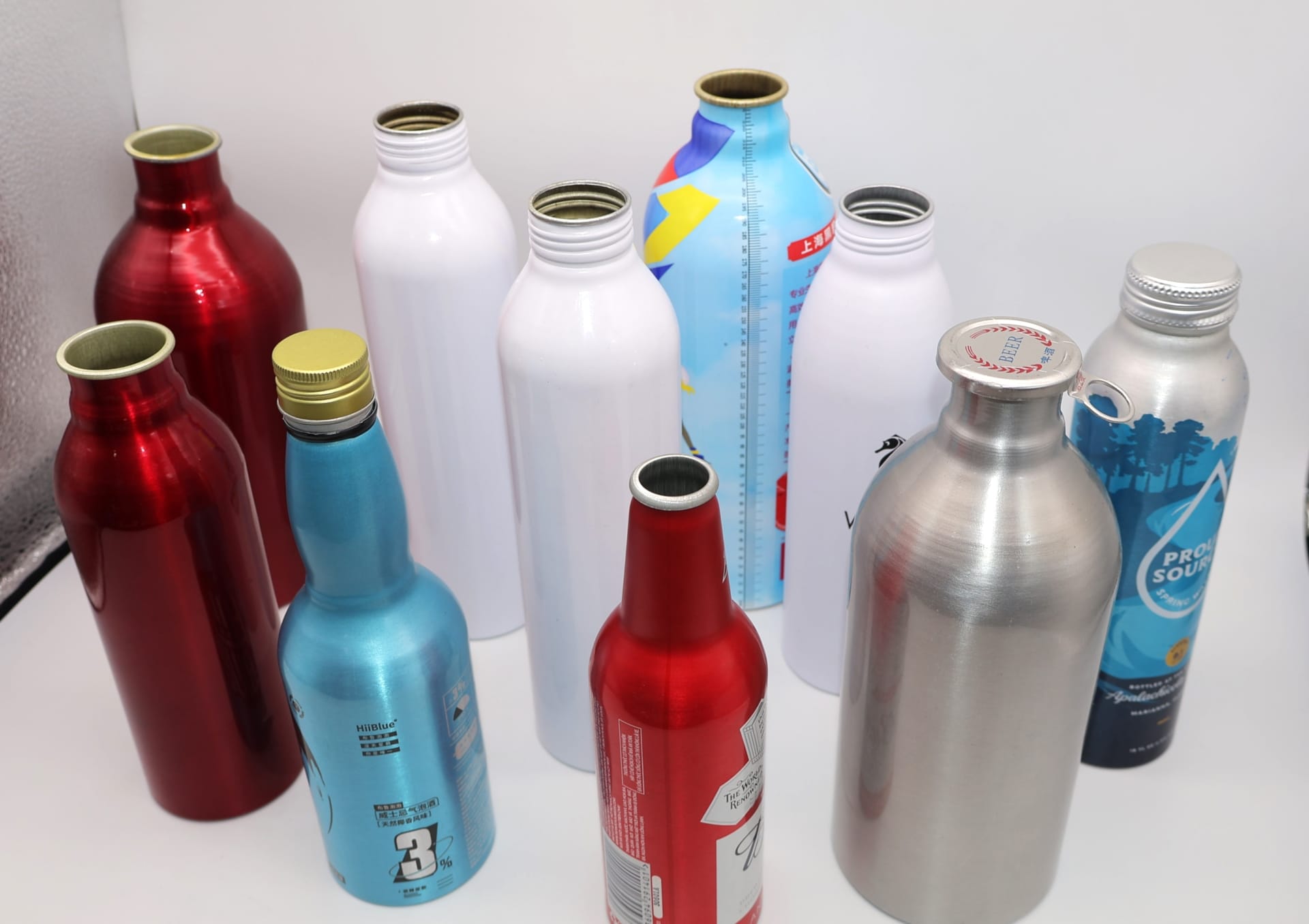
In practice, aluminum bottles are used for a wide range of beverages, including beer, soft drinks, functional beverages, and products requiring flavor preservation. In these applications, corrosion resistance and formula compatibility help to:
- Maintain product quality until consumption
- Reduce risks during storage and distribution
- Support compliance with food safety requirements
Why these two factors are gaining importance
Increasingly strict consumer expectations and food safety requirements are pushing beverage packaging to meet higher technical standards. For aluminum bottles used in food and beverage applications, controlling corrosion and ensuring formula compatibility are no longer optional but mandatory.
Conclusion
For the food and beverage industry, aluminum bottles are only truly suitable when they demonstrate strong corrosion resistance and proven compatibility with the product formula. These two factors play a critical role in preserving flavor, ensuring food safety, and maintaining stable performance throughout the entire product lifecycle.