
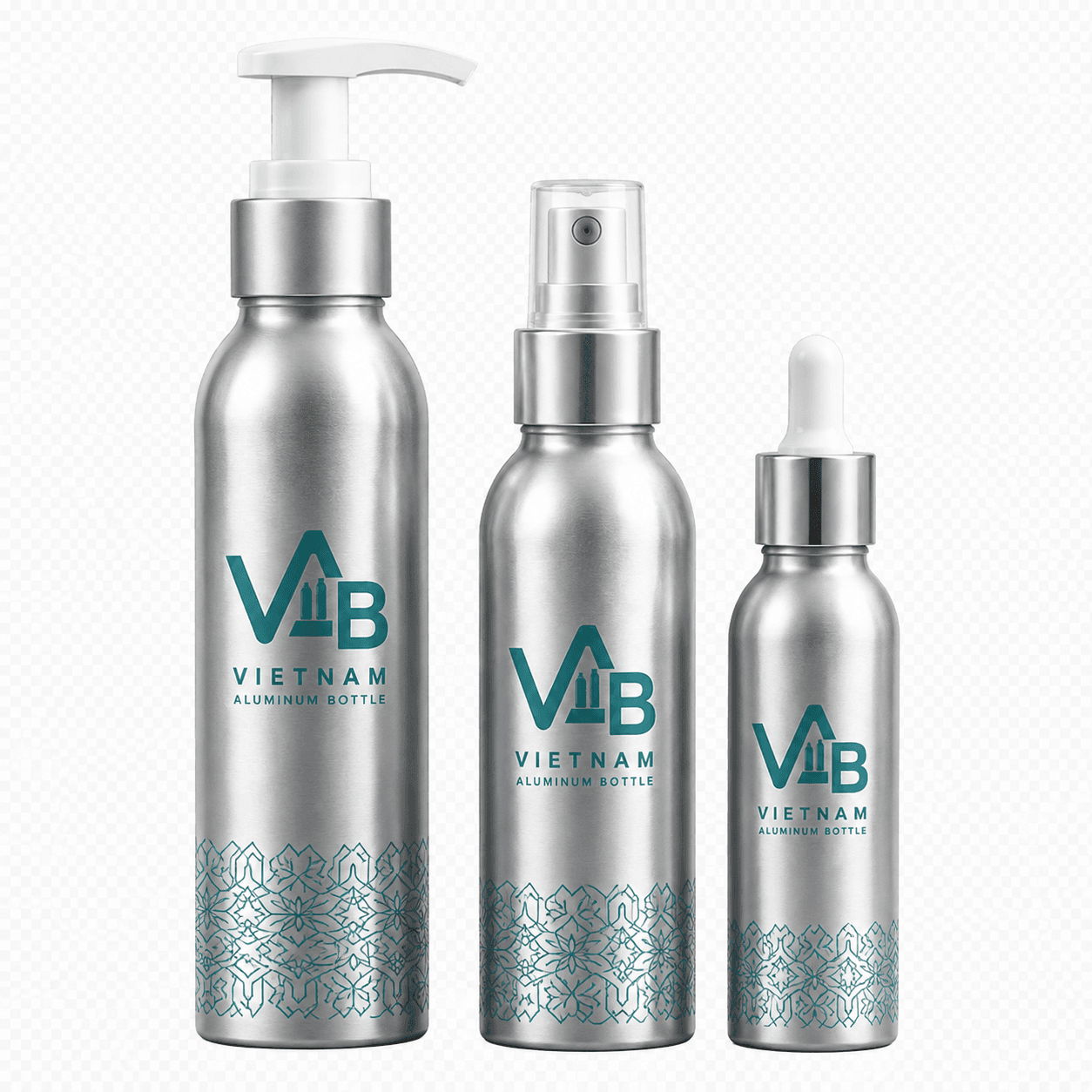





- 1. What Are Cosmetic and Personal Care Aluminum Bottles?
- 1.1 How Are Cosmetic and Personal Care Aluminum Bottles Different from Standard Aluminum Bottles?
- 2. Why Do Businesses Choose Cosmetic and Personal Care Aluminum Bottles?
- 2.1 Supports Stronger Brand Presentation
- 2.2 Lightweight, Durable, and Suitable for Multiple Product Formats
- 2.3 Supports B2B/OEM Project Customization
- 3. Common Applications of Cosmetic and Personal Care Aluminum Bottles
- 3.1 Personal Care
- 3.2 Hair Care
- 3.3 Skincare
- 3.4 Hygiene Liquids and Light Home Care
- 3.5 Essential Oils and Fragrance Products
- 4. Key Points to Confirm When Developing Cosmetic and Personal Care Aluminum Bottles
- 4.1 Filled Product
- 4.2 Internal Coating
- 4.3 Closure and Usage Method
- 4.4 Surface Finishing and Brand Feel
- 4.5 Printing and On-Bottle Information
- 5. Reference Specifications of Cosmetic and Personal Care Aluminum Bottles
- 5.1 General Specifications
- 5.2 Why Should Cosmetic Bottles Not Be Selected Only by Image?
- 6. Material, Internal Coating, and Product Suitability
- 6.1 99.7% Pure Aluminum
- 6.2 Internal Coating Based on Product
- 7. Surface, Printing, and Finishing
- 7.1 Coating, Matte Coating, and Color Coating
- 7.2 Offset Printing from 1 to 8 Colors
- 7.3 Silk Screen Printing and Project-Based Finishing
- 8. Closure, Accessories, and User Experience
- 8.1 Screw Cap
- 8.2 Dropper Cap
- 8.3 Spray Closure or Spray Head
- 8.4 Related Accessories
- 9. Packaging and Visual Quality Control
- 9.1 Bottle Packaging
- 9.2 Surface Protection
- 9.3 Approved Sample Control
- 10. Information Buyers Should Provide for Cosmetic Bottle Review
- 10.1 Product Information
- 10.2 Packaging Information
- 10.3 Commercial and Technical Information
- 11. Notes on Using Website Information
- 12. In-Article FAQ About Cosmetic and Personal Care Aluminum Bottles
- 12.1 What products are cosmetic and personal care aluminum bottles suitable for?
- 12.2 Can cosmetic bottles be selected only by image?
- 12.3 Does internal coating need to be confirmed based on the product?
- 12.4 Does VAB support printing and surface finishing?
- 12.5 Is the information on the website the final production configuration?
- 13. Conclusion
Introduction to Cosmetic & Personal Care Aluminum Bottles for B2B/OEM Projects
Cosmetic and personal care aluminum bottles are aluminum packaging formats used for personal care products, cosmetics, hair care, skincare, hygiene liquids, essential oils, liquid products, and cosmetic-related applications that require durable, lightweight packaging with strong surface finishing and brand presentation potential.
For B2B/OEM projects, cosmetic and personal care aluminum bottles should not be selected only by capacity, color, or a good-looking mockup. Buyers need to review the filled product, formulation, viscosity, fragrance, solvent content if applicable, capacity, closure, internal coating, sealing, surface finishing, printing, packaging, filling process, and target market together.
In plain terms: a beautiful bottle is good. A beautiful bottle that does not fit the formulation, closure, coating, or filling process is just a very fashionable object preparing to create work for the entire team. Cosmetic packaging already has enough variables. It does not need extra drama.
What Are Cosmetic and Personal Care Aluminum Bottles?
Cosmetic and personal care aluminum bottles are aluminum bottles designed and produced for personal care, cosmetics, hair care, skincare, essential oils, hygiene liquids, and liquid or semi-liquid products that require strong visual presentation, brand recognition, and practical packaging performance.
A cosmetic and personal care aluminum bottle should be evaluated based on both the bottle body and the actual usage configuration. Important factors include aluminum material, body thickness, internal coating, closure type, sealing, surface finishing, color, printing, packaging, and product usage conditions.
How Are Cosmetic and Personal Care Aluminum Bottles Different from Standard Aluminum Bottles?
Standard aluminum bottles may often be reviewed mainly by capacity, shape, closure, and printing. Cosmetic and personal care aluminum bottles require additional review of product formulation, brand perception, and user experience.
Key points to review include:
- Filled product.
- Formulation, viscosity, fragrance, or solvent content if applicable.
- Internal coating and suitability for the product.
- Closure type, opening method, pouring method, or dispensing method.
- Filling and storage conditions.
- Surface finishing, color, and printing requirements.
- Visual quality standards and approved samples.
- Target market and label information requirements if applicable.
For cosmetic and personal care products, packaging is not only a container. It is part of the brand experience. But when the experience is prioritized while technical requirements are ignored, the next experience is usually a corrective-action meeting.
Why Do Businesses Choose Cosmetic and Personal Care Aluminum Bottles?
Supports Stronger Brand Presentation
Aluminum bottles can support a solid, clean, professional, and differentiated appearance for cosmetic and personal care products. With coating, matte coating, color coating, offset printing, silk screen printing, and brand-based color finishing, aluminum bottles can help products stand out on shelves, in brand systems, or in e-commerce channels.
For cosmetics and personal care products, packaging appearance strongly affects perceived quality. Users often judge the product visually before anything else. Not entirely fair, but marketing has been living with this since the cave-painting era.
Lightweight, Durable, and Suitable for Multiple Product Formats
Aluminum material helps create lightweight packaging that is practical for transportation, storage, and use. Aluminum bottles can be reviewed for various product formats such as liquid products, light lotions, essential oils, personal care sprays, hygiene liquids, and hair care products.
However, actual suitability must be confirmed based on formulation, internal coating, closure, sealing, filling process, and storage conditions. Buyers should not assume one bottle configuration fits every product. That is how projects dig a hole and decorate it in Pantone colors.
Supports B2B/OEM Project Customization
For B2B/OEM projects, customers may need to review capacity, shape, closure, surface finishing, color, printing, packaging, and approved samples based on each brand or product line.
VAB supports buyers in reviewing these options based on project input, from technical requirements to brand identity requirements. The clearer the brief, the fewer revision loops during consultation, sampling, and production.
Common Applications of Cosmetic and Personal Care Aluminum Bottles
Personal Care
Cosmetic and personal care aluminum bottles can be reviewed for products such as body mist, body oil, body care liquids, personal hygiene products, or daily-use liquid products.
For this group, buyers should review usage feel, closure type, dispensing method, sealing, bottle surface, color, and printed surface protection during transportation.
Hair Care
Hair care products may include hair mist, hair oil, hair serum, scalp care products, or liquid hair care products.
This group should be reviewed based on viscosity, fragrance, oil content if applicable, pouring or dispensing behavior, closure type, internal coating, and appearance requirements. A hair care product may look premium, but if the closure does not work well or the product collects messily around the neck area, users will be honest by not buying again.
Skincare
Aluminum bottles can be reviewed for certain liquid skincare products, toner, essence, body oil, or products that require durable and differentiated packaging.
Buyers should confirm formulation, sensitivity, fragrance, color, storage conditions, closure, internal coating, and compatibility with the filled product.
Hygiene Liquids and Light Home Care
Some hygiene liquids, space care liquids, or light home care products can be reviewed for aluminum bottles depending on formulation, usage method, sealing requirements, closure type, and surface finishing requirements.
This group should be reviewed carefully based on formulation, solvent content if applicable, storage conditions, filling process, and packaging requirements.
Essential Oils and Fragrance Products
Essential oils, fragrance oils, or scented products may need packaging that helps reduce light exposure and support stronger brand presentation. Aluminum bottles can be a suitable option to review depending on formulation and usage requirements.
However, products containing oil, fragrance, or solvents require careful review of internal coating, closure, sealing, compatibility, and storage conditions. Fragrances are very good at finding weak points in packaging. Talented, in the most exhausting way.
Key Points to Confirm When Developing Cosmetic and Personal Care Aluminum Bottles
Filled Product
The filled product is the most important input when evaluating cosmetic and personal care aluminum bottles. Buyers should provide the product category, formulation or basic product characteristics if needed, viscosity, fragrance, oil content, solvent content if applicable, color, storage conditions, expected shelf life, and target market.
This information helps define the review scope for internal coating, closure, sealing, filling process, and inspection requirements.
Internal Coating
Internal coating must be confirmed based on the filled product. Cosmetic and personal care formulations can vary significantly between water-based products, oil-based products, fragranced products, solvent-containing products, and products with sensitive ingredients.
Buyers should not assume that one internal coating will be suitable for every formulation. If a website says that with complete confidence, remember that confidence is not a technical document.
Closure and Usage Method
The closure affects sealing, opening, pouring, dispensing, preservation after opening, and user experience. Depending on the product, buyers may need to review screw caps, dropper caps, pump closures, spray closures, or other suitable closure options by project.
The closure type must be confirmed based on the product, viscosity, usage method, filling process, packaging, and target market.
Surface Finishing and Brand Feel
Bottle surface finishing directly affects brand perception. Matte coating may create a more refined feel. Gloss coating may create a stronger visual impact. Color coating and direct printing can improve brand recognition.
However, a beautiful surface still needs to survive packing and transportation. A bottle that looks great in photos but scratches during delivery is a fast way to turn "premium packaging" into "premium complaint."
Printing and On-Bottle Information
Cosmetic and personal care aluminum bottles may need printed logos, product names, capacity, usage instructions, key ingredients if applicable, warnings if applicable, barcode, QR code, or market-required information.
Buyers should prepare artwork files, color codes, print area, number of colors, sample approval standards, and required information if applicable. On curved bottle surfaces, small text and barcodes should be checked carefully.
Reference Specifications of Cosmetic and Personal Care Aluminum Bottles
General Specifications
Cosmetic and personal care aluminum bottles can be reviewed based on the following reference specifications:
| Item | Reference information |
|---|---|
| Product line | Cosmetic & personal care aluminum bottles |
| Business model | B2B/OEM |
| Capacity | Based on project requirements and production feasibility |
| Material | 99.7% pure aluminum |
| Body thickness | 0.32 – 0.44mm |
| Internal coating | To be confirmed based on the filled product |
| Closure | To be confirmed based on product, usage, and sealing requirements |
| Surface finishing | Coating, matte coating, color coating, gloss coating, or project-based finishing |
| Printing | Offset printing from 1 to 8 colors, silk screen printing, or project-based requirements |
| Applications | Personal care, hair care, skincare, hygiene liquids, essential oils, fragrance products |
| Reference MOQ | Depending on model and technical requirements |
These specifications are for initial evaluation only. Final configuration must be confirmed through samples, drawings, filled product information, closure, internal coating, filling process, surface finishing, artwork files, inspection standards, and actual production conditions.
Why Should Cosmetic Bottles Not Be Selected Only by Image?
Images help evaluate packaging style, but they are not enough to select the bottle configuration. Two products with the same capacity may differ in formulation, viscosity, closure type, internal coating, usage method, storage conditions, and printing requirements.
Buyers should treat images as references, not final decisions. A beautiful mockup is a good start. But a mockup has never had to go through filling, capping, carton packing, and 1,000km of transportation.
Material, Internal Coating, and Product Suitability
99.7% Pure Aluminum
Cosmetic and personal care aluminum bottles use 99.7% pure aluminum. Aluminum helps create lightweight, durable, rust-resistant packaging and supports reduced light exposure to the filled product.
Material is an important foundation, but it does not determine full suitability by itself. Buyers still need to confirm internal coating, closure, filled product, storage conditions, filling process, and target market requirements.
Internal Coating Based on Product
Internal coating should be evaluated based on the product formulation. Cosmetic and personal care products may contain water, oil, fragrance, solvents, surfactants, or other sensitive ingredients.
Buyers should pay close attention to internal coating if the product contains oil, strong fragrance, solvent content, sensitive colors, long storage requirements, or specific usage conditions.
When Is Deeper Review Needed?
Some products may require additional review for material compatibility, odor, color, sealing, storage conditions, or expected shelf life. The review scope should be confirmed by project.
Important Note
Information about coating, standards, and technical documentation must be confirmed based on actual order data. Website content should not be used as the final technical document for production.
Surface, Printing, and Finishing
Coating, Matte Coating, and Color Coating
Cosmetic and personal care aluminum bottles can be finished with coating, matte coating, color coating, gloss coating, or brand-specific surface requirements. Surface finishing affects product feel, premium perception, shelf display, and visual quality standards.
Buyers should prepare color codes, reference samples, gloss or matte requirements, surface samples, and sample approval standards if available.
Offset Printing from 1 to 8 Colors
VAB supports offset printing from 1 to 8 colors based on project requirements. Direct printing on the bottle helps brands present logos, base colors, product names, usage information, icons, and brand details.
Before printing, buyers should prepare production-ready artwork files, color codes, print area, number of colors, small text size, barcode, QR code, and sample approval standards.
Silk Screen Printing and Project-Based Finishing
Silk screen printing can be reviewed for logos, highlight areas, brand details, or surface effects by project. The final option should be confirmed through samples, color approval standards, and actual production feasibility.
Color on screen, color in artwork, and color on the actual bottle are not always peaceful roommates. Approved samples exist to prevent endless "why is this color slightly different?" meetings.
Closure, Accessories, and User Experience
Screw Cap
A screw cap can be suitable for many liquid products or products requiring simple open-close operation. Screw caps must be confirmed based on neck finish, sealing, filled product, and user experience.
Dropper Cap
Dropper caps can be reviewed for essential oils, care oils, serums, or products that require controlled dosage. This closure type should be confirmed based on viscosity, formulation, usage method, and sealing requirements.
Spray Closure or Spray Head
Some personal care, hair care, fragrance, or hygiene liquids may require a spray closure or spray head. This option should be confirmed based on spray pattern, viscosity, formulation, pressure if applicable, and user experience.
Related Accessories
Depending on the project, buyers may need to review seals, dip tubes, protective caps, pump closures, secondary labels, protective bags, or other packaging accessories. These accessories should be confirmed based on the product, filling process, packaging, and target market.
Packaging and Visual Quality Control
Bottle Packaging
Packaging affects surface protection, counting, transportation, and quality control. For coated or printed cosmetic aluminum bottles, buyers should confirm carton specification, dividers if needed, protective bags, carton labels, quantity per carton, and bottle arrangement.
Surface Protection
Matte, glossy, color-coated, or directly printed surfaces need suitable protection during transportation. If the product requires high visual quality, buyers should confirm inspection standards for scratches, dents, color deviation, print defects, and batch-to-batch consistency.
Approved Sample Control
Approved samples should be used as reference points for color, surface finishing, printing, closure, and packaging. If the artwork file, color code, closure type, internal coating, surface finishing, or packaging specification changes, buyers should review the impact before mass production.
Information Buyers Should Provide for Cosmetic Bottle Review
Product Information
Buyers should provide the filled product, product category, formulation or basic product characteristics if needed, viscosity, fragrance, oil content, solvent content if applicable, color, storage conditions, usage conditions, expected shelf life, and target market.
Packaging Information
Packaging information should include target capacity, desired shape if available, closure type, internal coating requirements, surface finishing, color, artwork files, print area, number of colors, and packaging requirements.
Commercial and Technical Information
Buyers should prepare expected quantity, order plan, sample timeline, production timeline, inspection standards, certificate or documentation requirements if applicable, and delivery requirements.
Notes on Using Website Information
The information in this article is reference data for initial evaluation. It is not the final technical document for production.
Final cosmetic and personal care aluminum bottle configuration must be confirmed through samples, drawings, filled product information, internal coating, closure, filling process, artwork files, inspection standards, actual production conditions, and order scope.
Buyers should treat this article as a starting point for technical discussion, not as final production approval. Website content can reduce ambiguity, but it has not replaced approved samples and real testing. If it had, the packaging industry would have fewer meetings, a beautiful scenario that remains slightly mythical.
In-Article FAQ About Cosmetic and Personal Care Aluminum Bottles
What products are cosmetic and personal care aluminum bottles suitable for?
Cosmetic and personal care aluminum bottles can be reviewed for personal care products, hair care, skincare, hygiene liquids, essential oils, fragrance products, and liquid or semi-liquid products based on project requirements.
Can cosmetic bottles be selected only by image?
No. Images only help evaluate packaging style. Buyers also need to review the filled product, formulation, internal coating, closure, sealing, filling process, surface finishing, and target market requirements.
Does internal coating need to be confirmed based on the product?
Yes. Internal coating must be confirmed based on formulation, oil content, fragrance, solvent content if applicable, storage conditions, and project-specific technical requirements.
Does VAB support printing and surface finishing?
Yes. VAB supports offset printing from 1 to 8 colors, silk screen printing, coating, matte coating, color coating, gloss coating, and project-based surface finishing. Artwork files, color codes, print area, and approved samples should be confirmed before production.
Is the information on the website the final production configuration?
No. Website information is reference data. Final production configuration must be confirmed through samples, drawings, filled product information, internal coating, closure, filling process, inspection standards, and actual production conditions.
Conclusion
Cosmetic and personal care aluminum bottles are aluminum packaging formats for personal care products, cosmetics, hair care, skincare, hygiene liquids, essential oils, fragrance products, and liquid products that require durable, lightweight packaging with strong surface finishing and brand presentation potential.
VAB supports B2B/OEM customers in reviewing cosmetic and personal care aluminum bottle requirements, evaluating technical inputs, developing samples, and confirming suitable configurations by project. The clearer the input data, the more efficient the consultation, quotation, sampling, and production process becomes, with fewer revision loops and fewer "why did we not ask this earlier?" meetings.