
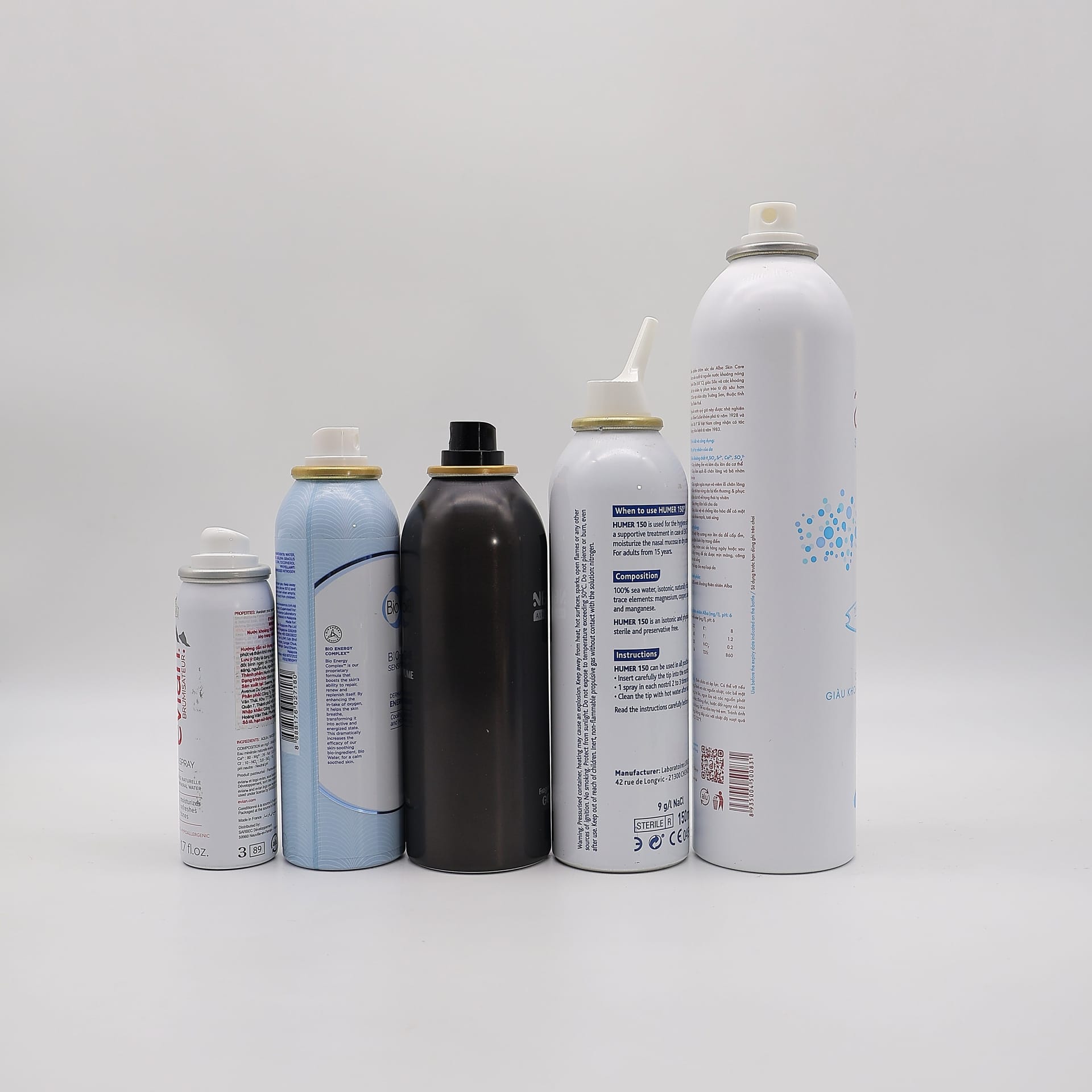
- 1. Part 1: Why Do Businesses CHOOSE Aluminum Packaging? Aluminum Packaging Manufacturing Plant with the Most Advanced Automated Production Lines in Vietnam
- 1.1 1. Superior Protection Capabilities (An Absolute Barrier)
- 1.2 2. Lightweight Yet Durable
- 1.3 3. Infinite Recyclability and Sustainability Value
- 1.4 4. Premium Aesthetics and High Customization Potential
- 1.5 5. Excellent Thermal Conductivity
- 2. Part 2: Why Do Businesses NOT CHOOSE Aluminum Packaging?
- 2.1 1. Higher Raw Material Costs
- 2.2 2. Susceptibility to Dents
- 2.3 3. Chemical Reactivity with Certain Products
- 2.4 4. Limitations in Shape and Transparency
The decision for a business to adopt or reject aluminum packaging is never an emotional one. Instead, it is a strategic balance between multiple factors: product characteristics (how much protection is required?), production costs (profit margins), brand positioning (premium or mass market), supply chain efficiency (transportation complexity), and market trends (do consumers care about sustainability?). Aluminum will continue to be a “golden material” for industries that demand superior protection and premium aesthetics, while other materials will still dominate price-sensitive segments or products that require transparency.
Part 1: Why Do Businesses CHOOSE Aluminum Packaging? Aluminum Packaging Manufacturing Plant with the Most Advanced Automated Production Lines in Vietnam
Companies choose aluminum because it delivers outstanding advantages, effectively addressing core challenges in product protection, logistics, and marketing.
1. Superior Protection Capabilities (An Absolute Barrier)
Aluminum provides an almost perfect barrier against light, oxygen, moisture, bacteria, and external contaminants.
Industries applied:
- Food & Beverage: This is the most critical reason. Beer and carbonated drinks need to retain CO₂ and flavor stability—aluminum performs better than PET plastic. Powdered milk, coffee, and dry foods require protection from moisture and oxygen to prevent clumping or aroma loss. Aluminum foil is widely used to wrap chocolate and cheese to preserve optimal quality.
- Pharmaceuticals: Blister packs often incorporate aluminum foil to protect each tablet from moisture and light, ensuring drug stability until consumption. Aluminum tubes are also commonly used for ointments to prevent oxidation of active ingredients.
2. Lightweight Yet Durable
Aluminum has an exceptional strength-to-weight ratio. It is strong enough to protect products while remaining extremely lightweight.
Industries applied:
- Beverages
Aluminum cans are significantly lighter than glass bottles, reducing transportation and logistics costs at scale. Consumers also prefer their portability and convenience. - Consumer Goods (Aerosols)
Deodorants, hair sprays, spray paints, and similar products require lightweight packaging that can withstand high internal pressure—aluminum meets this requirement perfectly.
3. Infinite Recyclability and Sustainability Value
Aluminum is 100% recyclable indefinitely without loss of quality. Recycling aluminum consumes only about 5% of the energy required to produce new aluminum.
Industries applied:
- All industries, especially those targeting environmentally conscious consumers. Beverage and cosmetic brands increasingly highlight sustainable packaging in their marketing campaigns. Using recyclable aluminum packaging significantly enhances brand image and demonstrates corporate social responsibility (CSR).
4. Premium Aesthetics and High Customization Potential
The metallic surface of aluminum conveys a luxurious, modern, and premium feel. It is also highly suitable for printing, embossing, and shaping, offering nearly unlimited design possibilities.
Industries applied:
- Cosmetics & Personal Care
Skincare jars, lipstick cases, and premium serum bottles frequently use aluminum to differentiate products and communicate quality and sophistication. The cool touch of aluminum also enhances the user experience. - Premium Beverages
Energy drinks and craft beers often utilize the full surface of aluminum cans for eye-catching graphic designs, helping products stand out on retail shelves.
5. Excellent Thermal Conductivity
Aluminum transfers heat quickly, allowing products to chill faster.
Industries applied:
- Beverages
A can of beer or soft drink cools much faster in a refrigerator compared to plastic or glass bottles, delivering immediate refreshment—an important consumer experience advantage.
Part 2: Why Do Businesses NOT CHOOSE Aluminum Packaging?
Despite its many strengths, aluminum also has limitations that make it unsuitable for certain products or business models.
1. Higher Raw Material Costs
Compared to plastics (PET, HDPE) and sometimes even glass, aluminum generally has higher initial production costs.
Industries affected:
- Low-cost FMCG products
Products with thin margins and intense price competition—such as bottled water, cooking oil, or dishwashing liquid—cannot absorb higher packaging costs. Plastic remains the most economical option. - Large-volume containers
Producing large aluminum containers or drums is significantly more expensive than plastic or steel alternatives.
2. Susceptibility to Dents
Although durable, aluminum is relatively soft and prone to denting upon impact. Dented packaging appears less attractive on shelves and may be perceived by consumers as defective or low quality.
Industries affected:
- Canned foods
While aluminum cans exist, tinplate steel is often preferred for products requiring maximum rigidity, such as canned meat or vegetables. Steel cans better withstand impacts during transportation and stacking.
3. Chemical Reactivity with Certain Products
Aluminum can react with products that are highly acidic or alkaline, potentially altering taste, quality, or even corroding the container.
Industries affected:
- Food products
Highly acidic foods such as tomatoes, pineapple, or pickled vegetables cannot be stored in bare aluminum. To address this, manufacturers apply polymer linings inside cans—this increases cost and complexity and raises concerns about potential chemical migration (e.g., BPA). In such cases, glass packaging is often considered a purer and safer alternative. - Industrial chemicals
Many aggressive chemicals cannot be stored in aluminum due to reaction risks.
4. Limitations in Shape and Transparency
Aluminum is opaque, preventing consumers from seeing the product inside. Creating complex or unique shapes is also more difficult and costly compared to plastic injection molding.
Industries affected:
- Food & Beverage
Products such as pulpy juices, colorful sauces, jams, or visually appealing beverages benefit from transparent packaging. Glass or clear plastic performs much better in showcasing the product. - Cosmetics
Products like foundation, nail polish, or liquid eyeshadow require transparent packaging so consumers can select the correct color.