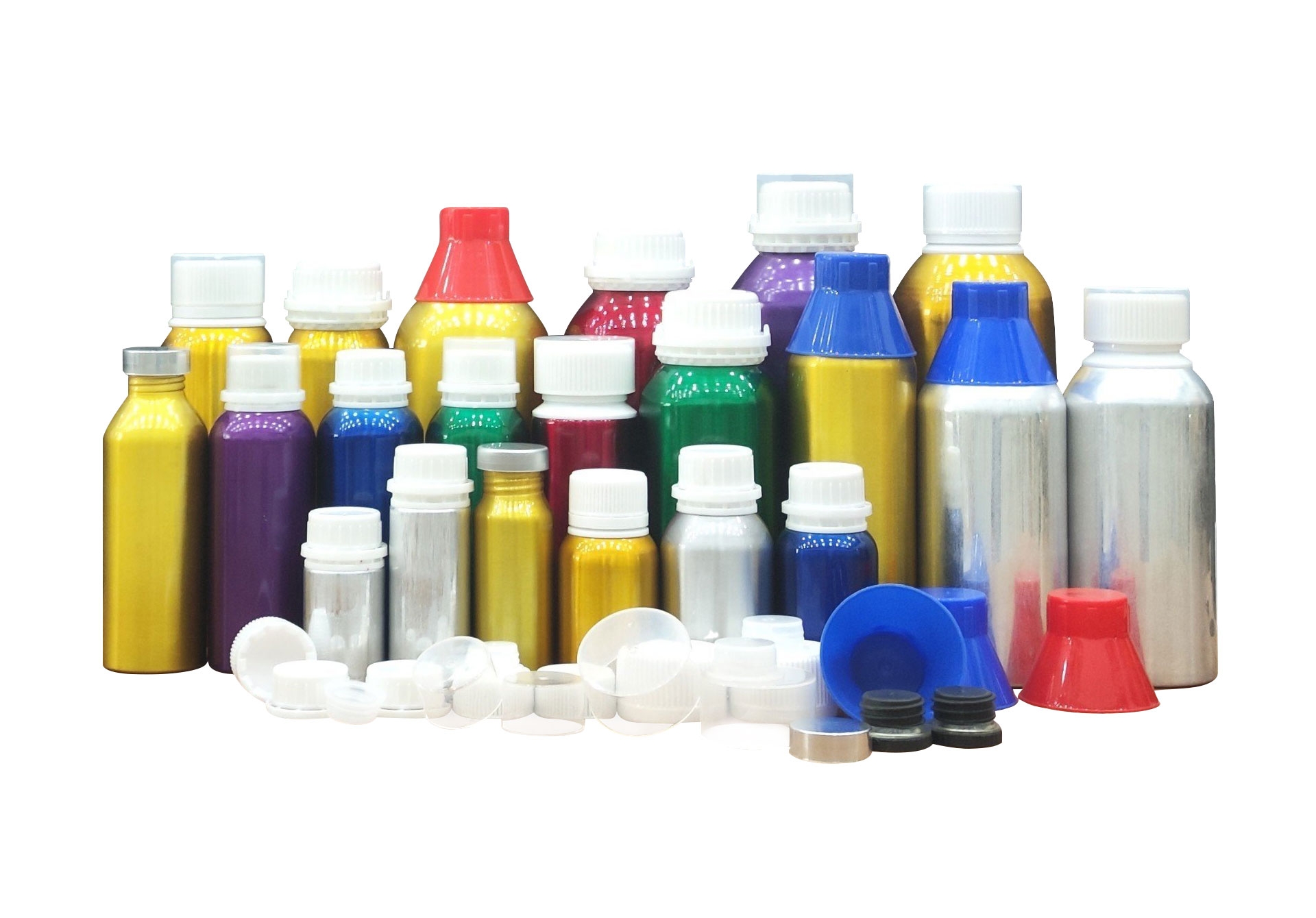
Aluminum bottles for chemicals/industrial/agro: Factory capacity & lead time
Aluminum bottles used for chemicals, industrial applications, and crop protection products must meet multiple strict requirements, including tight sealing performance, solvent resistance, and transportation safety. For aluminum plant protection bottles in particular, these requirements are even more critical due to the nature of the products and real-world conditions during storage and distribution.
As a result, when implementing aluminum bottles for chemical, industrial, and agrochemical uses, manufacturing capacity and supply lead time become two key factors that directly affect supply chain stability and product rollout. If these factors are not properly evaluated from the beginning, risks such as supply disruption or quality deviation may occur during operation.
Manufacturing Capacity and Technical Capability
For aluminum bottles used in chemical and agrochemical applications, technical requirements go beyond appearance and focus on sealing performance, durability, and stability under real usage conditions. These requirements can only be met when the manufacturing facility has appropriate production capability.
Production Equipment and Process Control
Factories producing aluminum bottles for chemical and agrochemical use must operate equipment capable of precisely controlling wall thickness, neck structure, and dimensional consistency. These factors directly affect sealing performance and resistance to pressure during storage and transportation.
A controlled, stage-by-stage production process helps minimize technical deviations within the same production batch. This is especially critical for large-volume orders, where even minor deviations can lead to real-world usage risks. Stable processes also help maintain consistent quality across multiple production runs.
Scalability of Production
In chemical and agrochemical industries, packaging demand often fluctuates based on seasonal cycles and production planning. A capable factory must be able to scale output when needed without compromising quality or delivery timelines. This flexibility supports a more resilient supply chain and reduces the risk of distribution disruption.
Lead Time Management and Supply Reliability
Lead Time in Chemical and Agrochemical Supply Chains
Lead time for aluminum bottles includes not only forming but also material preparation, quality inspection, and packaging. Each stage can impact overall delivery timelines if not tightly managed.
Stage-Based Schedule Control
Experienced factories manage production through clearly defined stages, from raw material preparation and forming to surface treatment and final inspection. Monitoring progress at each stage enables early detection of issues and timely adjustment, reducing delay risk while ensuring technical compliance before shipment.
Quality Control and Its Impact on Delivery
Quality Control in Mass Production
For aluminum bottles used in chemical and agrochemical applications, quality control must be integrated throughout the production process. If defects are only detected at the final inspection stage, corrective actions can significantly affect delivery schedules.
Factories with structured quality systems typically identify deviations early and address them during production, helping protect lead time and delivery commitments.
Batch-to-Batch Consistency
Maintaining stable quality standards across batches allows subsequent orders to be produced more efficiently, with fewer process adjustments. This improves delivery performance and strengthens long-term supply reliability.
Why Capacity and Lead Time Matter More Than Ever
The continued growth of chemical, industrial, and agrochemical sectors has increased demand for compliant packaging solutions. In this environment, supply chain stakeholders prioritize not only cost, but also on-time delivery and consistent quality.
For aluminum bottles used in chemical, industrial, and agrochemical applications, manufacturing capability and lead time have become essential criteria for reducing operational risk.
Conclusion
For aluminum bottles serving chemical, industrial, and agrochemical applications, manufacturing capacity and production lead time are inseparable. A factory with suitable equipment, stable processes, and strong lead time control ensures consistent quality, on-schedule delivery, and reliable supply chain performance