Aluminum Packaging for Pharma and Nutraceuticals: Certifications and Safety
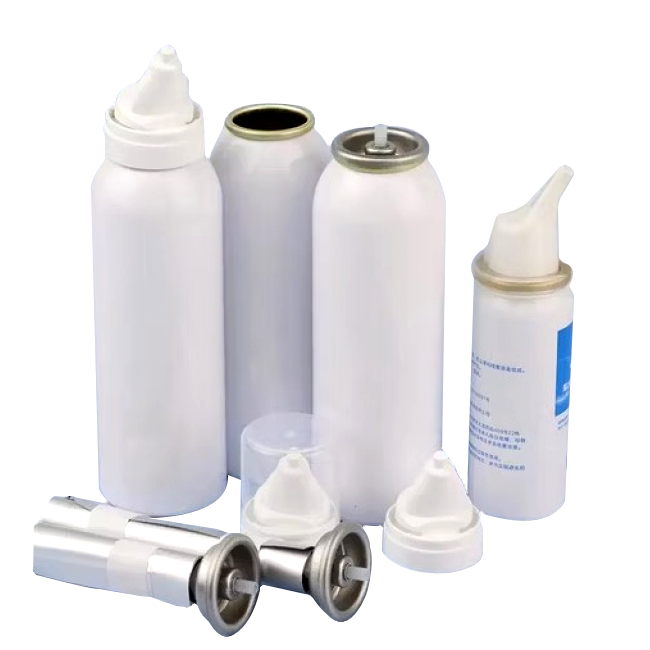
Certifications and safety are core to aluminum packaging performance across a product’s full shelf life. In pharmaceuticals and nutraceuticals, packaging is not just an outer layer. It is primary packaging, meaning it directly contacts capsules, liquids, essential oils, and other sensitive actives. That is why certification requirements and safety controls must be managed rigorously from material selection through to finished goods release.
When packaging falls short, the impact goes beyond quality loss. It can lead to recalls, damage brand credibility, and create regulatory exposure. Understanding how certifications and safety systems work in aluminum packaging manufacturing is essential for any pharma or nutraceutical brand.
The role of certifications in pharmaceutical aluminum packaging
Certifications are the foundation of quality control
Certifications in aluminum packaging for pharma and nutraceuticals signal that a manufacturer operates under a structured and audited quality management system. This typically includes inbound material inspection, in process monitoring, and final product verification before shipment. With a mature system in place, batch to batch variation is significantly reduced, helping brands maintain consistent packaging performance at scale.
Without certification, processes may lack clear control standards and traceability. With the right certifications, each step is documented, monitored, and supported by corrective action procedures if an issue arises. This is what keeps packaging stability consistent throughout the supply chain.
For pharma aluminum bottles and containers, where safety expectations are higher than most industries, certification is not only a trust builder. In many cases, it is a baseline requirement to meet industry and regulatory expectations.
Certifications reduce legal risk and protect your brand
In tightly regulated environments, certifications act as proof that packaging is produced to appropriate standards. If issues occur such as leakage, deformation, or potential impact on the active ingredient, certification files and production records help pinpoint root cause and define the scope of risk.
Strong documentation makes investigations faster and more transparent. It can help reduce the chance of broad and costly recalls while protecting brand reputation. In pharma and nutraceuticals, where consumer trust is everything, that protection matters.
Material safety in aluminum packaging
Compatibility between aluminum and active ingredients
Aluminum offers durability, low weight, and strong light barrier performance. In pharma and nutraceuticals, the most critical question is compatibility with the formulation inside. Some formulas may be sensitive to metals or may change after long term contact.
That is why compatibility assessment is essential before moving into full production. It helps ensure the packaging will not trigger chemical reactions or compromise product quality over time. Testing typically includes evaluation under expected storage conditions and monitoring product stability throughout the intended shelf life.
This level of compatibility control is one of the key differences between standard packaging and pharma grade aluminum containers.
Internal coating and long term protection
The internal coating is the protective barrier between the metal and the product. It plays a key role in maintaining chemical safety during storage. If the coating is uneven or substandard, there is a higher risk of micro level interactions that may affect product integrity.
For pharmaceutical packaging, coatings must be controlled for thickness, adhesion, and long term stability. Ongoing testing helps ensure the coating continues to perform over time, especially for products with long shelf lives.
Safety control during manufacturing
Incoming material inspection and traceable sourcing
Packaging safety starts with raw material quality. Aluminum used for manufacturing must be traceable and meet strict composition requirements. Incoming inspection helps detect deviations early and prevents risks from carrying into later process stages.
These controls typically include technical specification checks and verification against production requirements. When raw materials are tightly managed, finished goods remain more consistent and reliable.
Seal integrity and mechanical durability testing
Beyond chemical safety, aluminum packaging must deliver strong sealing performance to prevent leaks and protect against moisture and air exposure during transport and storage.
Mechanical durability is equally important. Packaging must withstand impact and handling without deformation. Together, these tests help preserve product safety and performance from the warehouse to the end user.
Frequently asked questions on certifications and safety
Does aluminum packaging need testing before use?
Yes. Testing confirms compatibility and stability before mass production.
Can certifications replace internal quality inspections?
No. Certifications provide the framework, but real time production controls determine long term quality.
Conclusion
Aluminum packaging for pharmaceuticals and nutraceuticals should be treated as part of the product’s quality, not just an outer shell. When packaging directly contacts active ingredients, certifications and safety controls become essential to keep products stable during storage and distribution.
In practice, the difference between packaging that works and packaging that brands can rely on long term comes down to three things. A consistent quality system. Proven material safety, especially the internal coating. Documentation that supports traceability batch by batch. When these elements are controlled properly, risks like leaks, deformation, or product quality impact drop significantly, helping operations run smoothly and preventing avoidable incidents.
Choosing certified pharma aluminum packaging is not only about meeting industry requirements. It is about protecting product integrity and strengthening market trust over time.