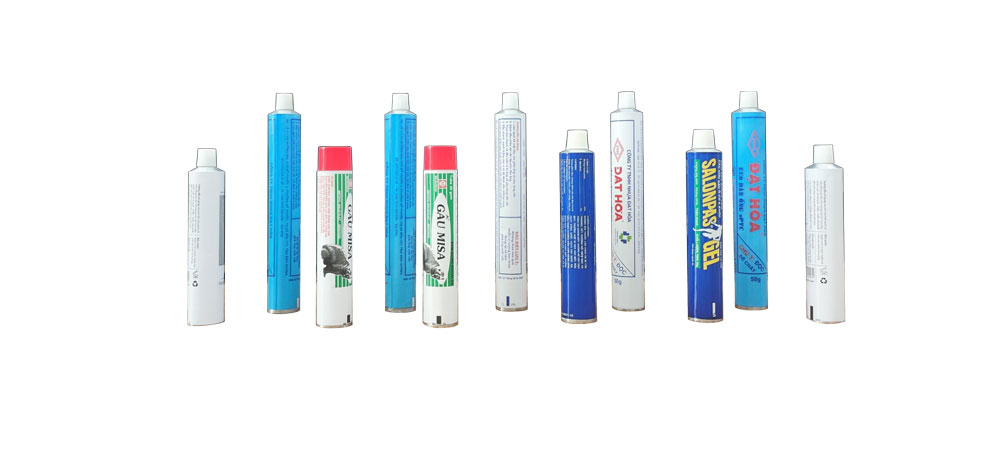
Premium Aluminum Tubes for Cosmetics & Pharmaceuticals: Export & Logistics
When cosmetic and pharmaceutical products are distributed across multiple markets, aluminum tubes become an integral part of the export and logistics system. Requirements related to transportation, warehousing, quality control, and regulatory compliance directly influence how aluminum tubes are selected, manufactured, and integrated into the supply chain.
For R&D teams, packaging engineers, and international sourcing teams, evaluating aluminum tubes from an export and logistics perspective helps reduce deployment risks, control timelines, and ensure stability when scaling cross-border distribution.
Export Requirements for Aluminum Tubes in Cosmetics & Pharmaceuticals
Material Stability in International Transportation
Aluminum tubes must maintain their shape, seal integrity, and surface finish throughout sea freight, air freight, or multimodal transport. Impacts such as vibration, stacking pressure, temperature fluctuations, and humidity can affect the material if production and quality control are not properly managed. For cosmetic aluminum tubes, this stability helps preserve the product’s commercial appearance on retail shelves, preventing dents or deformation that could affect brand image in the destination market. For pharmaceutical aluminum tubes, a higher level of stability is required to ensure safety, dosage accuracy, and consistent quality control throughout the product’s lifecycle.
Ability to Meet Multi-Market Standards
Each export market may impose different requirements related to contact safety, traceability, and technical documentation. Aluminum tubes selected for export need to support compliance with these requirements without requiring major structural changes. This approach shortens time to market for new regions and reduces risks associated with packaging modifications or repeated regulatory approvals during distribution expansion.
The Role of Aluminum Tubes in Logistics Operations
Optimized Packing and Handling
Compared to many other materials, aluminum tubes offer strong mechanical durability, reducing the risk of deformation during large-volume handling. Standardized dimensions, shapes, and packing methods allow better utilization of cartons and pallets, helping lower logistics costs and minimize damage during international delivery. For large export shipments, maintaining stability during loading and unloading is critical to meeting delivery schedules and quality expectations.
Stability in Warehousing and Transshipment
In global supply chains, products may pass through multiple storage stages under varying environmental conditions. Aluminum tubes must retain sealing performance, structural integrity, and appearance throughout these periods to ensure products reach distributors in acceptable condition. This is especially important for pharmaceutical aluminum tubes, where stability during storage supports quality control, batch traceability, and regulatory inspections or recalls when necessary.
Logistics Risks to Consider When Deploying Aluminum Tubes
Risks in Transportation and Transshipment
International transport often involves long transit times and multiple transfer points, increasing exposure to mechanical stress. If aluminum tubes do not meet stability requirements, dents or compromised sealing may occur, leading to non-compliance at the destination market. For cosmetics and pharmaceuticals distributed through multiple channels, even a small percentage of affected units can disrupt delivery schedules and generate additional handling costs.
Quality Control - Related Risks
In export scenarios, quality inspections may take place at various stages, including the manufacturing site, intermediate warehouses, and import checkpoints. Aluminum tubes must support clear batch identification and ensure that technical characteristics remain unchanged throughout circulation. Early assessment of these risks allows companies to select aluminum tubes that align with their export strategy and planned logistics model.
FAQ
Are aluminum tubes suitable for exporting cosmetics and pharmaceuticals?
Yes. When properly controlled to relevant standards, aluminum tubes meet the requirements for transportation, warehousing, and multi-market distribution.
How does logistics affect the selection of aluminum tubes?
Logistics directly impacts shape stability, sealing integrity, and traceability throughout the entire distribution lifecycle.
Should export requirements be evaluated at the R&D stage?
Yes. Early evaluation helps minimize technical changes and reduces risks when scaling to new markets.
Conclusion
For cosmetics and pharmaceuticals, aluminum tubes should be viewed as part of the export and logistics system rather than as an isolated technical component. Selecting and deploying the right aluminum tubes helps companies better control transportation, storage, and distribution processes while reducing risks during market expansion. When evaluated thoroughly from an export and logistics perspective, premium aluminum tubes become a key foundation for supply chain stability and long-term growth strategies in cosmetic and pharmaceutical products.