Vietnam factory capability & export readiness: Switch from plastic to aluminum
As many global brands shift from plastic to aluminum packaging to meet sustainability goals, supply chain stability, and international market standards, evaluating the capabilities of aluminum packaging manufacturers has become a critical step. Rather than focusing solely on the material transition itself, brands need to assess factory readiness in terms of production capacity, certifications, and export capability to meet the growing demand for aluminum packaging.
Why the shift from plastic to aluminum requires factory capability assessment
The transition from plastic to aluminum is a market- and brand-driven trend rather than an internal material change within individual factories. However, this trend places higher demands on aluminum packaging manufacturers in terms of output volume, production stability, and compliance with international standards.
In this context, factory assessment helps brands understand:
- Whether the factory has sufficient capacity to meet increasing demand for aluminum packaging
- Whether quality control systems align with international market requirements
- The factory’s readiness to support long-term supply chains
Manufacturing capabilities of Vietnamese aluminum packaging factories
Scale and production systems
Factory capability is reflected not only in nominal capacity but also in the ability to operate consistently under continuous production conditions. For aluminum bottle packaging, this includes processes such as forming, surface treatment, internal coating, and finishing. When evaluating manufacturing partners, brands typically assess:
- Well-structured production lines
- Levels of automation that ensure consistency
- The ability to maintain quality at high production volumes
Flexibility in responding to market demand
As demand for aluminum packaging increases, factory flexibility becomes critical. This is reflected in the ability to adjust output levels and accommodate different volumes, shapes, and surface finishes without disrupting the supply chain.
Certifications and quality control systems
The role of certification in aluminum bottle manufacturing
In the global shift from plastic to aluminum, international certifications serve as benchmarks for evaluating factory readiness within the aluminum packaging supply chain. These certifications do not indicate a material transition itself but demonstrate how factories organize, control, and maintain production quality at scale. For Vietnamese aluminum bottle manufacturers, certifications such as ISO are commonly used to:
- Standardize production processes and quality control
- Ensure consistency across production batches
- Increase credibility when working with international markets
Quality control during the transition phase
Beyond certification, quality control systems in aluminum packaging manufacturing focus on maintaining stability as market demand increases. This includes controlling raw materials, monitoring production stages, and ensuring finished product consistency.
When operated under management systems such as ISO, quality control helps factories:
- Maintain stable quality in large-scale production
- Minimize deviations as demand grows with market trends
- Meet audit and evaluation requirements from partners and export markets
Export capability and international readiness
Requirements from export markets
The shift from plastic to aluminum coincides with increasingly stringent export requirements. This requires factories to have experience working with international markets, complete documentation systems, and the ability to deliver on schedule. These factors directly affect reliability within the global supply chain.
Lead time stability and risk management
Production planning and schedule management are critical as demand increases. Factories with export experience typically have clear processes to maintain stable lead times, even when order volumes fluctuate.
Practical applications across industries
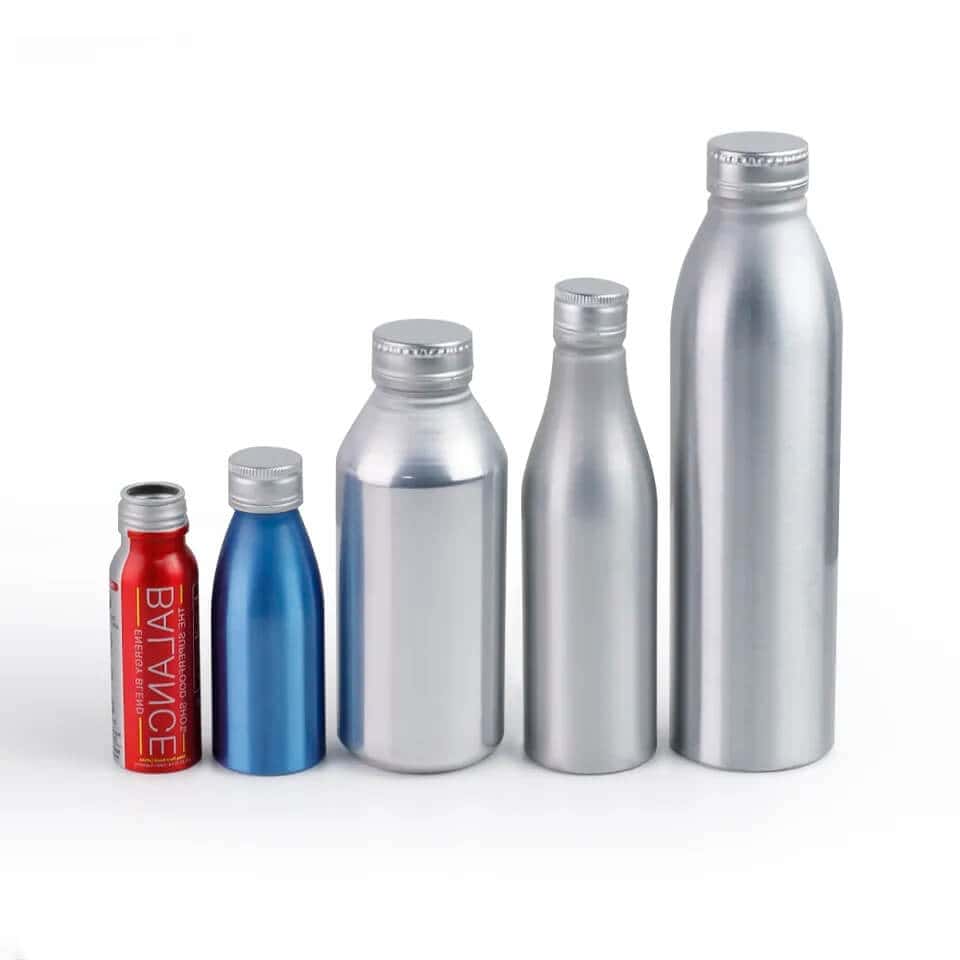
In practice, aluminum bottle packaging from Vietnamese factories is used across a wide range of industries, from fast-moving consumer goods to industrial applications. In these contexts, factory capability and export readiness help ensure stable supply while meeting quality and delivery requirements across multiple markets.
Conclusion
The global transition from plastic to aluminum places higher expectations on aluminum packaging manufacturers. Evaluating factory capabilities, certifications, and export readiness allows brands to assess how well a manufacturer can support this shift while reducing long-term supply chain risks.