Aluminum Cosmetic Bottles in a Premium and Minimalist Brand Image Strategy
In the cosmetics industry, packaging is no longer just the final layer added to a product. It is one of the clearest ways a brand expresses its visual direction, level of refinement, and overall product value from the very first touchpoint. As consumers become more sensitive to product presentation, many businesses no longer treat bottle selection as a purely technical decision. Instead, they evaluate packaging as part of a broader brand strategy, especially when they want to build a premium, minimalist, and more consistent identity.
That is exactly why aluminum cosmetic bottles are drawing more attention. This shift is not driven by material choice alone. It is closely tied to the need for a cleaner brand image, stronger visual consistency across channels, and a more elevated product presence in both digital and physical retail environments. For companies that want their products to look more polished, more modern, and more aligned with their positioning, aluminum bottles offer a compelling direction.
Aluminum Cosmetic Bottles in Today’s Brand-Building Landscape
The Role of Product Appearance in Brand Perception
In cosmetics, product appearance has a major influence on how a brand is remembered. Consumers often see a product before they read about its benefits, ingredients, or brand story. That makes every detail of the packaging part of the brand experience. A product with a clean, well-finished appearance tends to create trust faster and leave a stronger first impression.
This is one reason why brands are paying closer attention to aluminum cosmetic bottles. They help products appear more streamlined, more refined, and more visually controlled. When packaging communicates the brand clearly at first glance, the overall identity becomes easier to reinforce across the market.
Consistency Across Brand Touchpoints
A cosmetics brand does not exist only on the shelf. It appears on websites, social media, e-commerce pages, printed materials, and in-store displays. If the physical product does not reflect the same visual language as the brand’s marketing assets, the brand experience becomes fragmented. That disconnect can weaken recognition and reduce the perceived professionalism of the product line.
Aluminum cosmetic bottles support stronger consistency across these touchpoints. Their clean structure and stable visual character help brands maintain the same design language from concept visuals to actual product presentation. As a result, the brand looks more cohesive, more intentional, and more credible to the end customer.
Aluminum Cosmetic Bottles and Minimalist Design Language
Packaging Presence in Modern Design Direction
Minimalist design continues to shape the cosmetics market. Many brands no longer want packaging that feels busy, overloaded, or visually noisy. Instead, they prefer packaging that feels clean, restrained, modern, and visually disciplined. In this context, bottle structure becomes a very important foundation because it determines how well the overall design can breathe.
Aluminum cosmetic bottles fit this direction well because they naturally support a clean and structured look. Their form allows brands to achieve a polished visual effect without relying on excessive decorative elements. That makes them especially suitable for companies building a modern aesthetic with a strong sense of visual clarity.
Expressing Brand Character Through Bottle Form
Good packaging is not just attractive. It has to feel right for the brand. If a brand wants to communicate elegance, simplicity, or premium quality, the bottle itself should reinforce that message. This is where bottle selection becomes more strategic than many businesses first expect.
Aluminum cosmetic bottles help translate brand identity into form. Their proportions, surface quality, and visual simplicity make it easier to communicate a strong aesthetic direction. Rather than forcing the design to work harder, the bottle itself supports the brand story in a more natural way.
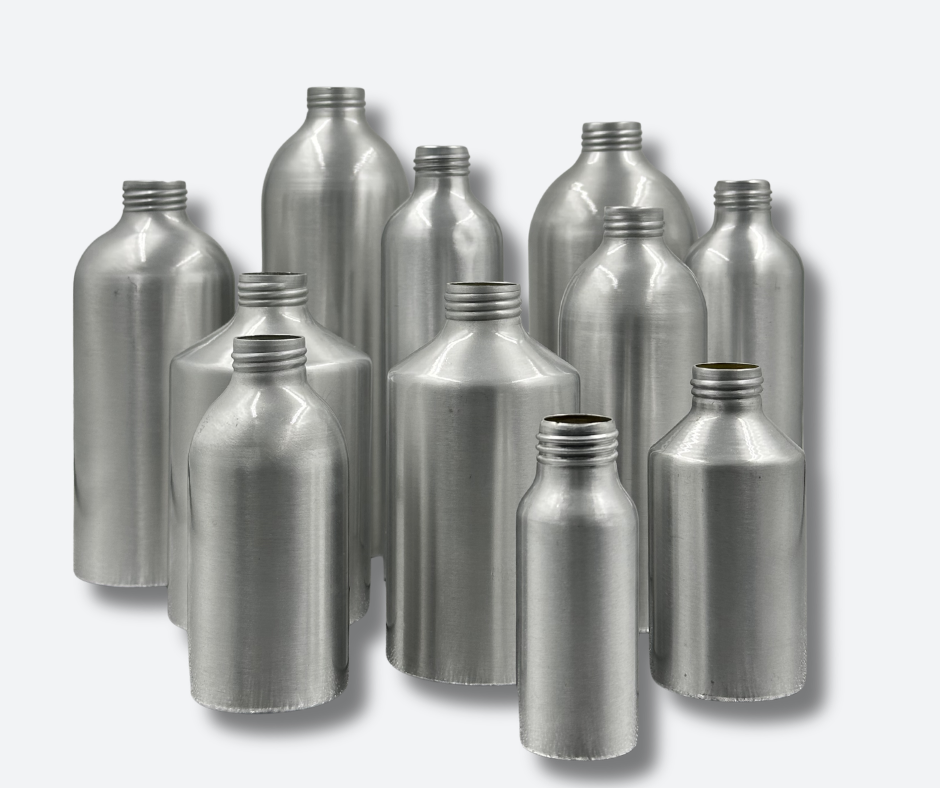
The Premium Sensory Value of Aluminum Cosmetic Bottles
Perceived Quality at First Contact
In cosmetics, first impressions carry real weight. Consumers often form an opinion within seconds, simply by seeing or touching a product. That means perceived quality is influenced not only by formulation but also by the physical and visual cues of the packaging.
Aluminum cosmetic bottles contribute strongly to this first-contact perception. A bottle that feels solid, refined, and visually balanced can make a product feel more carefully developed. This matters even more for brands targeting premium segments or trying to move their product image upward in the market.
Tactile Experience and Product Finish
Touch is a meaningful part of cosmetic product experience. The feel of a bottle in hand can shape how polished, serious, or high-quality the product seems. A well-proportioned bottle with a strong tactile presence often supports a more positive overall impression.
That is another reason brands choose aluminum cosmetic bottles. They can improve the physical interaction between the customer and the product, not just the visual one. When every use reinforces a sense of quality, the brand experience becomes more memorable and more convincing.
Aluminum Cosmetic Bottles and the Link Between Visual Marketing and Real Products
Consistency Between Brand Concept and Final Product
One common challenge in packaging development is the gap between a beautiful design concept and the final physical product. A brand may have strong visual direction in mockups or campaign materials, but the product itself may fail to carry that same feeling in real life. When that happens, the brand loses sharpness and the final product becomes less persuasive.
Aluminum cosmetic bottles can help narrow that gap. Their clear structure and refined appearance make it easier to carry brand concepts into actual production. This gives companies a better chance of keeping their visual identity intact from presentation stage to finished product.
Packaging as Part of the Brand Experience
Brand experience does not live only in advertising or on a website. It happens every time a customer sees, touches, opens, or uses the product. Packaging is one of the most direct places where that experience becomes real. If the packaging is weak, even strong marketing efforts may lose impact once the product reaches the customer.
That is why many businesses choose aluminum cosmetic bottles when they want a more seamless brand experience. The bottle supports the transition from brand concept to physical interaction. It helps maintain the same feeling of clarity, refinement, and premium direction throughout the customer journey.
Aluminum Cosmetic Bottles in Long-Term Brand Development
The Value of a Clear Packaging Direction
A clear packaging direction helps brands avoid fragmentation over time. Instead of redesigning packaging logic for every individual launch, businesses can build a stronger foundation that supports multiple products under one coherent system. This becomes especially important as a cosmetics brand grows and expands its product range.
Aluminum cosmetic bottles can support that kind of structure. They provide a packaging base that feels stable, recognizable, and suitable for long-term brand development. That makes it easier to preserve consistency while still allowing room for future product variation.
Fit Within Long-Term Brand Strategy
Brand strategy is expressed not only through messaging and positioning, but also through very practical choices such as packaging. A brand that wants to stay premium, minimalist, and visually coherent needs packaging decisions that reinforce those goals. If the packaging direction does not support the strategy, the brand will struggle to build a clear and lasting impression.
In that context, aluminum cosmetic bottles offer real strategic value. They help brands present products more consistently, strengthen perceived quality, and maintain a more controlled visual identity as the business evolves. That is why more companies are considering them as part of long-term product and branding plans.
Frequently Asked Questions About Aluminum Cosmetic Bottles
Why are brands paying more attention to aluminum cosmetic bottles?
Because aluminum cosmetic bottles help products look more polished, more premium, and more visually consistent across branding and product presentation.
Do aluminum cosmetic bottles suit minimalist cosmetic brands?
Yes. Their clean structure and refined appearance work well for minimalist, modern, and premium design directions.
What is the main value of aluminum cosmetic bottles in branding?
Their main value lies in improving visual consistency, elevating product perception, and supporting a stronger connection between brand identity and packaging.
Can aluminum cosmetic bottles improve premium product perception?
Yes. The bottle shape, finish, and tactile feel can all contribute to a more elevated first impression.
Why does packaging consistency matter in cosmetics?
Because customers encounter the brand across many touchpoints. Consistent packaging helps create a clearer and more professional brand image.
Are aluminum cosmetic bottles suitable for long-term brand development?
Yes. They support a more stable packaging foundation, which helps brands maintain coherence as they expand their product lines over time.
Conclusion
Businesses looking for aluminum cosmetic bottles are not simply looking for a different packaging material. They are looking for a stronger packaging foundation that can support a premium image, a minimalist aesthetic, and greater consistency across every brand touchpoint. That need has become increasingly important as product appearance plays a larger role in consumer perception.
When chosen with a clear brand direction in mind, aluminum cosmetic bottles can help brands present products more elegantly, align packaging more closely with marketing visuals, and maintain a sharper identity across the full product range. For cosmetics companies building toward a more refined and cohesive brand image, this is a packaging direction worth serious consideration.